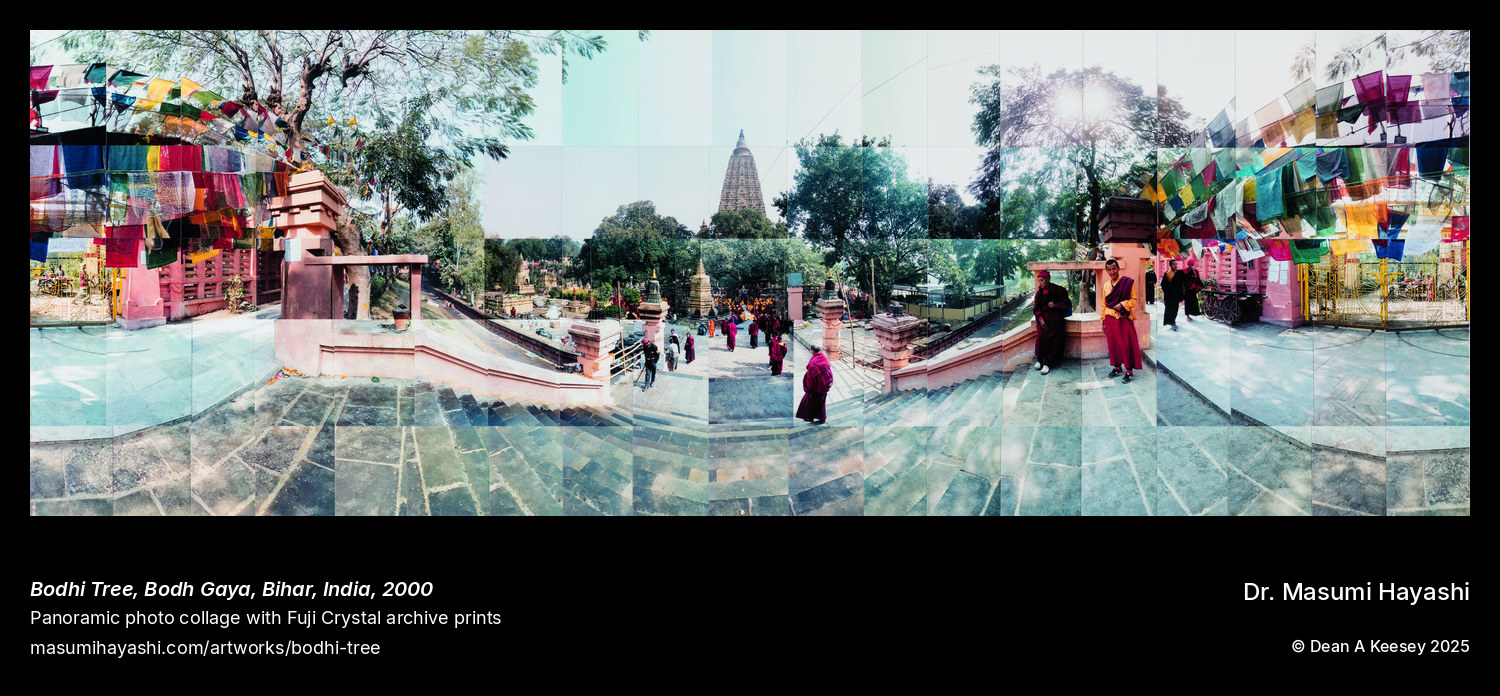
Bodhi Tree, Bodh Gaya, Bihar, India
Bodh Gaya, Bihar, India
Panoramic Photo Collage
2000
24 x 69
In the year 2000, Hayashi photographed what might be the most consequential tree in religious history—the Bodhi Tree at Bodh Gaya, descendant of the pipal tree beneath which Prince Siddhartha Gautama sat in meditation circa 528 BCE and achieved enlightenment, transforming into Buddha, the “awakened one” whose realization of the Four Noble Truths created a religious movement that eventually encompassed East, Southeast, and Central Asia across 2,500 years. The format she chose—24 by 69 inches, nearly six feet wide, a 3:1 horizontal aspect ratio—represents the most extreme horizontal panorama in her Sacred Architectures series. This isn’t arbitrary formalism. The horizontal sweep doesn’t reach toward the canopy; it roots to the earth. It captures the ground-level presence of the tree: roots embedded in stone courtyard, the vajrasana, the specific patch of earth where a prince sat until he understood the nature of suffering. To document the site of enlightenment as a horizontal plane is to insist on its earthly particularity—this ground, these roots, this living thing anchored to a place for 2,500 years.
The current tree’s genealogy reads like scripture. Emperor Ashoka’s daughter Sanghamitta took a sapling to Sri Lanka in the 3rd century BCE, establishing the Jaya Sri Maha Bodhi—still living, the world’s oldest documented tree with known planting date. When the original Bodh Gaya tree died or was destroyed during centuries of Islamic invasions and Buddhist decline in India, cuttings from the Sri Lankan descendant returned to replant the enlightenment site. What Hayashi photographed represents unbroken biological continuity despite King Shashanka’s 7th-century persecutions, despite 12th-13th century destruction of Buddhist monasteries and universities including nearby Nalanda, despite centuries when the site lay abandoned and overgrown until British colonial archaeologists including Alexander Cunningham identified the ruined Mahabodhi Temple’s significance in 1862 and initiated restoration that transformed Bodh Gaya back into functioning pilgrimage destination.
The horizontal panorama captures what pilgrims encounter first: the ground. The roots embedded in stone, the courtyard floor worn smooth by generations of circumambulation, the vajrasana—the “diamond throne” marking the exact spot where Prince Siddhartha sat. The 69-inch width (nearly six feet) creates physical presence matching the site’s spiritual weight, sweeping across the sacred precinct the way a pilgrim’s gaze sweeps across familiar ground. The tree rises above the frame’s reach; the photograph stays earthbound. This is deliberate. Enlightenment happened here, at this ground level, at this specific location where root meets stone.
Contemporary Bodh Gaya draws millions of pilgrims representing Buddhism’s extraordinary diversity. Tibetan Buddhists perform prostrations and circumambulations. Southeast Asian Theravada practitioners sit in extended meditation sessions. East Asian Mahayana pilgrims conduct group ceremonies. Western Buddhist converts study dharma at international centers. When the Dalai Lama visits to teach Kalachakra, 100,000+ attendees gather. All these traditions—despite doctrinal differences, despite 2,500 years of geographic and theological evolution—recognize this tree and this place as Buddhism’s foundational coordinates, the site where enlightenment first manifested in human consciousness under conditions that can be historically located, photographically documented, visited by anyone willing to travel to Bihar state in northeastern India.
UNESCO designated the Mahabodhi Temple complex a World Heritage Site in 2002, two years after Hayashi’s photograph. The recognition acknowledges what her extreme horizontal format captures: this is where religious history pivoted, where a prince’s realization beneath a tree created philosophical and contemplative traditions that shaped Asian civilization. The tree continues growing, continues producing leaves and seeds, continues providing shade for pilgrims seeking connection to enlightenment’s original moment. In 2021, director Benjamin Cleary requested Hayashi’s Bodhi Tree for his Apple TV+ film Swan Song. The piece — this piece, the same one that had passed from Hayashi through Los Angeles dealer Stephen White to the collection of Hollywood screenwriters Gloria Katz and Willard Huyck — appears on the wall in the film’s central domestic interior throughout its most emotionally devastating scenes. At 0:23 in the official trailer, the Bodhi Tree is visible on the wall behind the actors — and Apple TV+ chose that exact frame as the YouTube thumbnail, the promotional image representing the film to 4.4M viewers before they click play. The work also appears throughout the Love & Sacrifice featurette. The film starred two-time Academy Award winner Mahershala Ali and was directed by Cleary, himself an Academy Award winner.
The Bodhi Tree followed a remarkable thread: from a Buddhist pilgrimage site in Bihar to a Los Angeles dealer to Hollywood screenwriters to the Smithsonian’s permanent collection — and then onto the wall of a set where one of American cinema’s finest actors performed some of the most emotionally powerful scenes of his career.

Frame from the Apple TV+ Swan Song — Love & Sacrifice featurette (1:08). Bodhi Tree, Bodh Gaya, Bihar, India on the wall behind Mahershala Ali and Naomie Harris. Directed by Benjamin Cleary (Academy Award winner). Watch the featurette → · Watch the trailer →
More from Sacred Architectures
Airavatesvara Temple #1, Darasuram, Tamil Nadu, India
Angkor Wat, no. 1, Angkor, Siem Reap, Cambodia
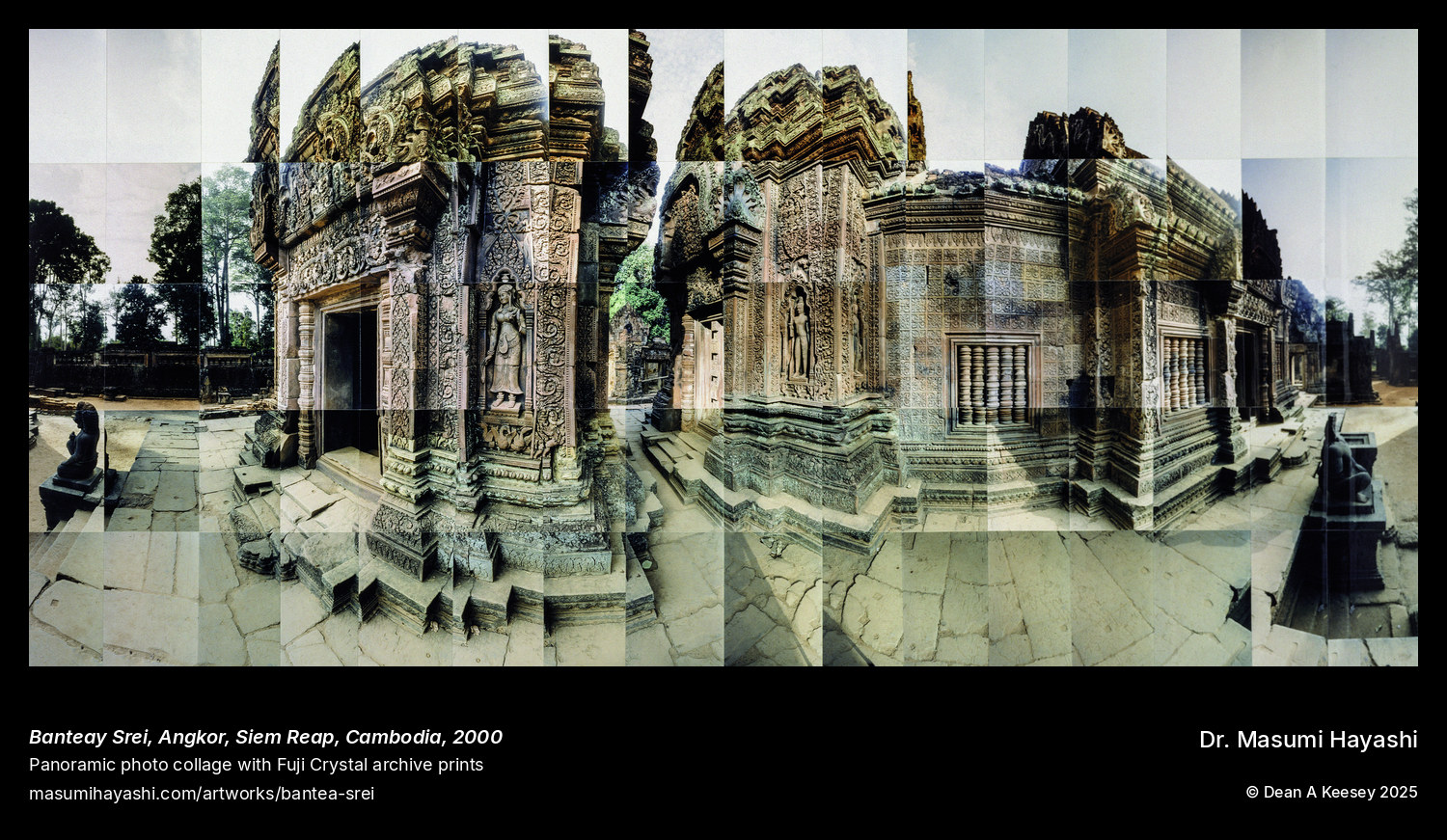
Banteay Srei, Angkor, Siem Reap, Cambodia
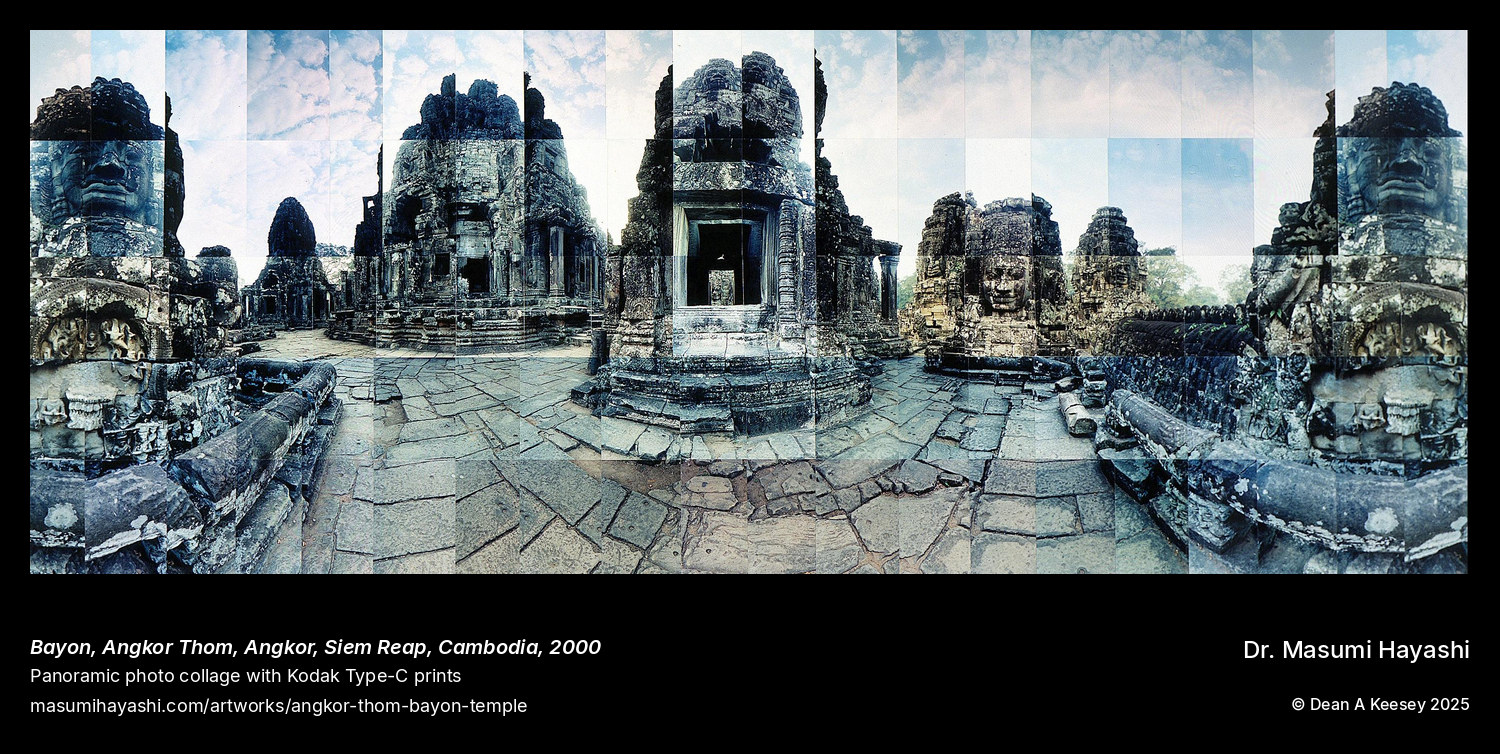
Bayon, Angkor Thom, Angkor, Siem Reap, Cambodia
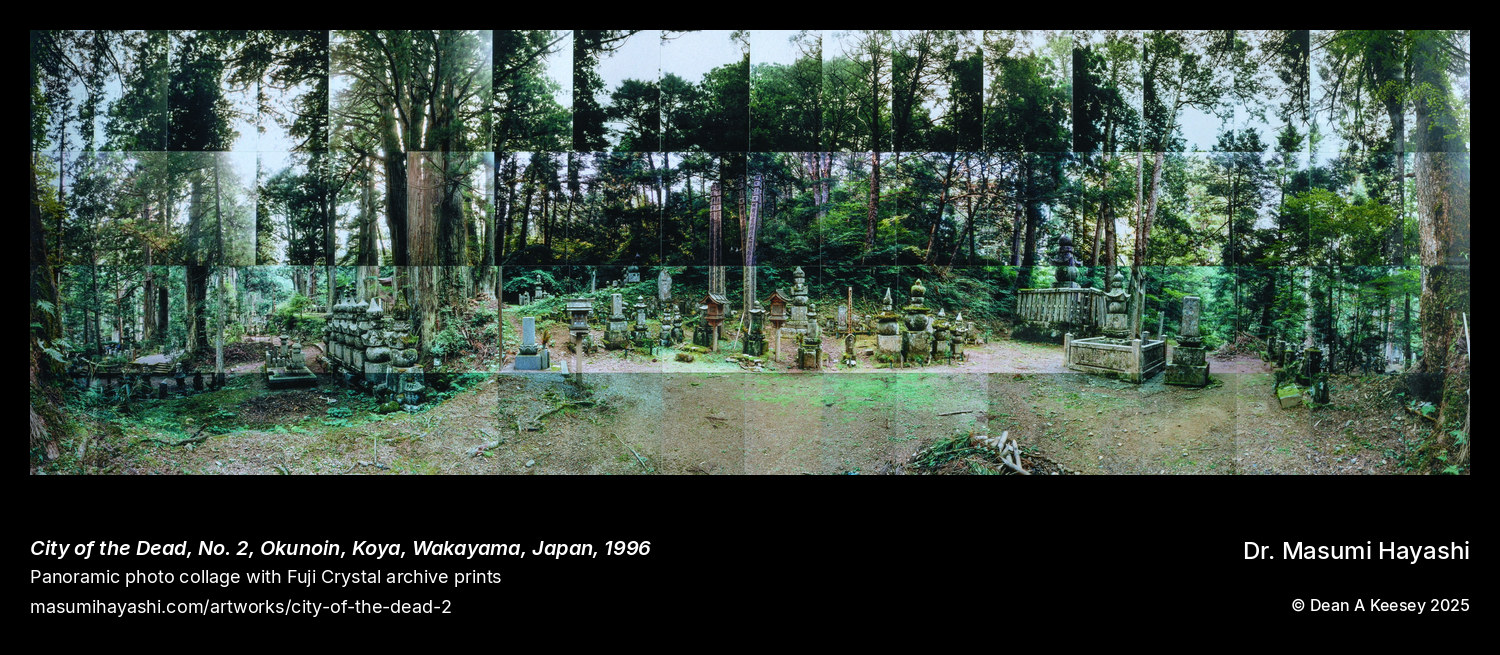
City of the Dead, No. 2, Okunoin, Koya, Wakayama, Japan