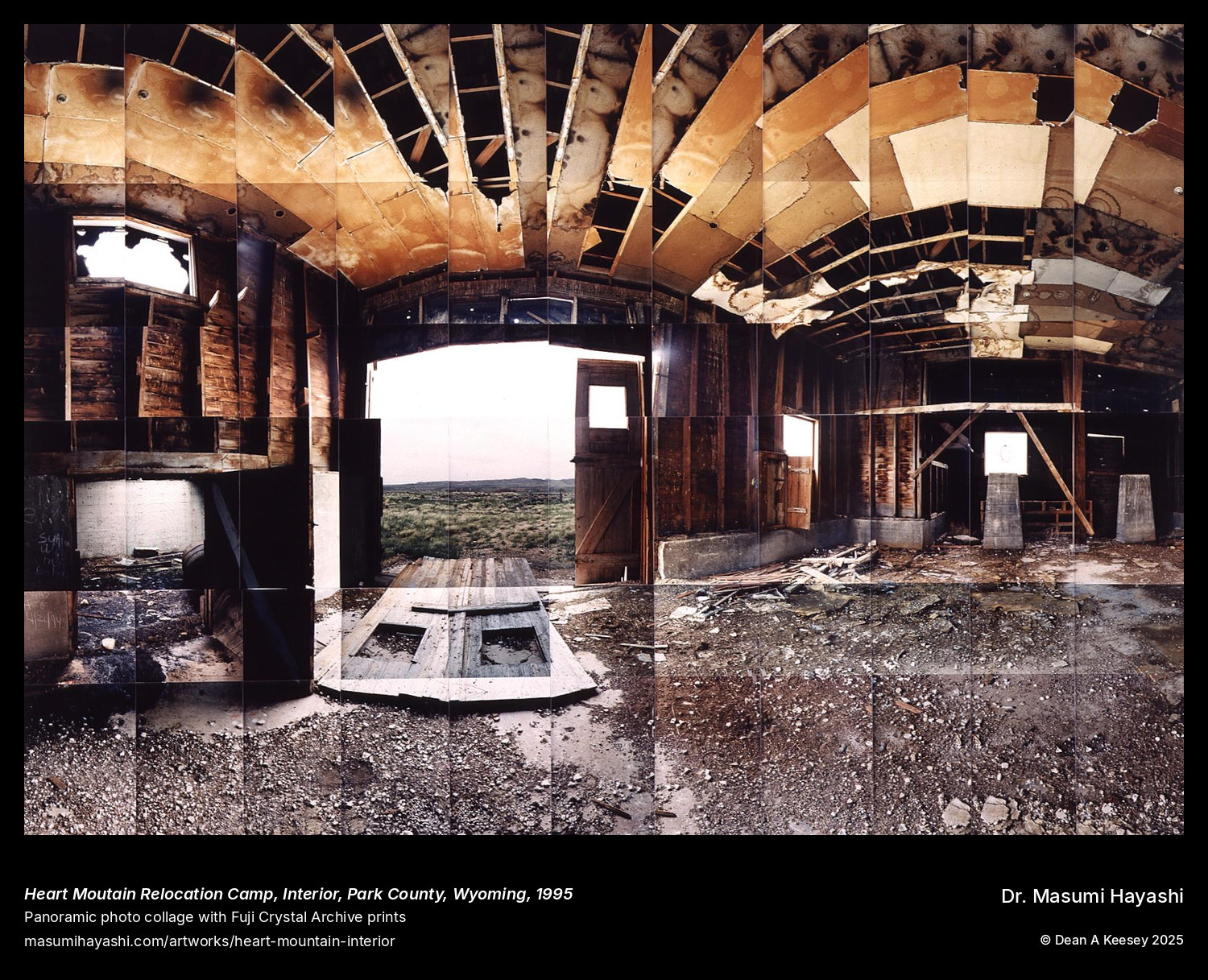
Heart Moutain Relocation Camp, Interior
Park County, WY, USA
Panoramic photo collage with Fuji Crystal Archive prints
1995
31 x 42
This 31-by-42-inch panorama documents an interior space at Heart Mountain Relocation Center—one of the few surviving camp structures in Wyoming where 14,000 Japanese Americans were imprisoned from 1942 to 1945. The near-square format suits interior documentation where walls create contained spatial experience rather than the expansive horizontal landscapes characterizing most camp sites.
Created in 1995, the work represents rare access to surviving interior space—most camp structures were demolished, dismantled for building materials, or collapsed from decades of neglect. Heart Mountain’s relative preservation enables documentation of the claustrophobic living conditions internees endured: small rooms partitioned with building paper offering no privacy, communal bathrooms lacking partitions, mess halls where families ate separately.
Heart Mountain sits beneath its namesake peak in Wyoming’s Bighorn Basin, where winter temperatures dropped to minus thirty degrees and wind blasted through gaps in hastily constructed barracks. The location’s harshness was intentional: remote placement made escape impractical while demonstrating government power over citizens whose only crime was Japanese ancestry.
The interior perspective documents domestic scale—the human dimension of incarceration where families attempted to create normalcy within fundamentally abnormal conditions. Internees gardened in desert soil, organized recreational activities, published newspapers, and maintained cultural traditions despite circumstances designed to strip dignity and identity.
The format’s relatively compact dimensions suit interior documentation: walls limiting horizontal extent, ceiling constraining vertical expansion, the contained space reproducing the psychological experience of confinement. Unlike the vast horizontal panoramas capturing camp landscapes, this work documents the intimate scale of daily life under incarceration.
Heart Mountain remains one of the best-preserved camp sites, with the Heart Mountain Interpretive Center now providing educational programming at the location where constitutional rights were suspended for over 14,000 Americans.
This work documents Heart Mountain, one of the concentration camps where Japanese Americans were incarcerated during World War II.
Part of the American Concentration Camps project
More from Japanese-American Internment Camps
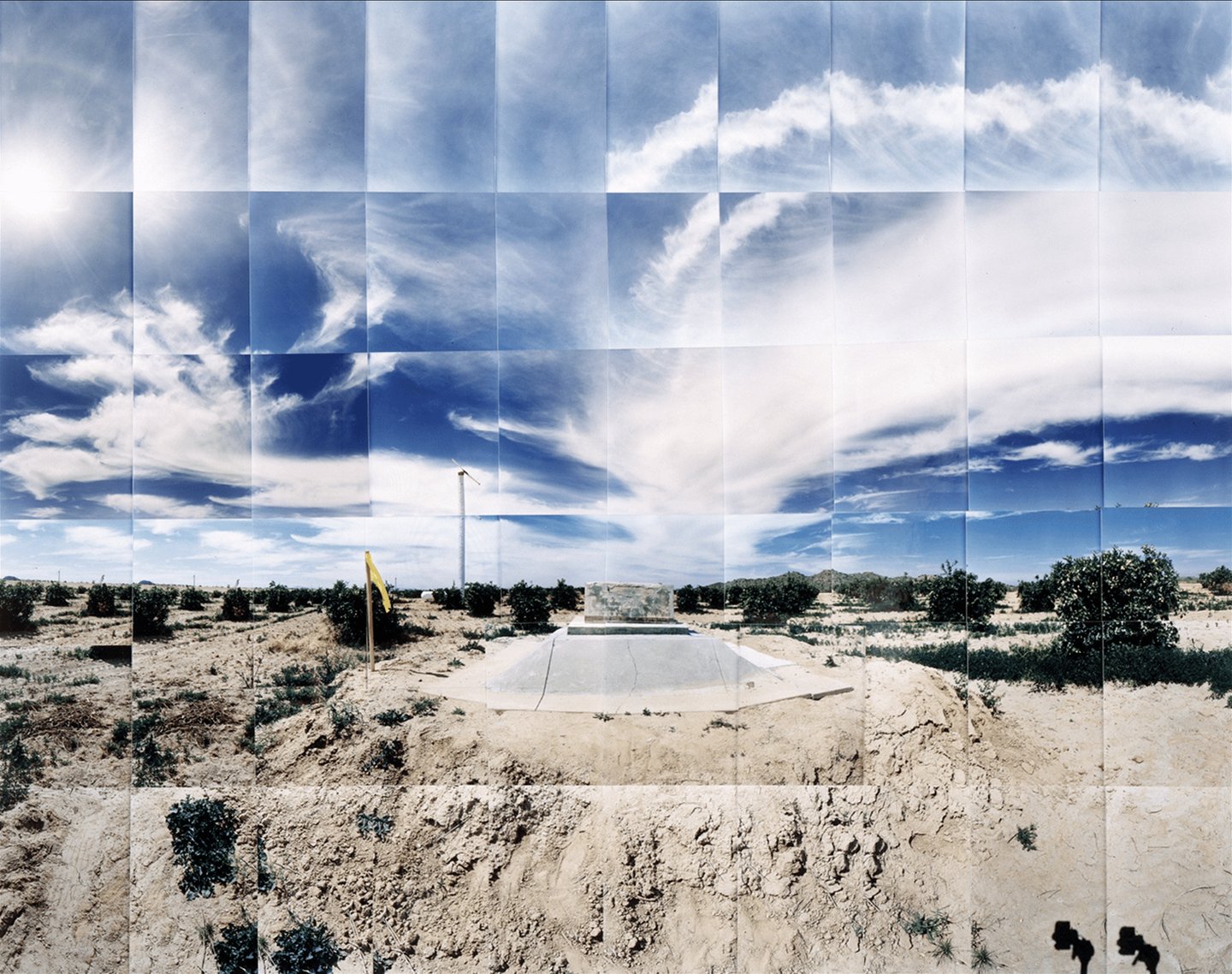
Gila River Relocation Camp, Dog Grave
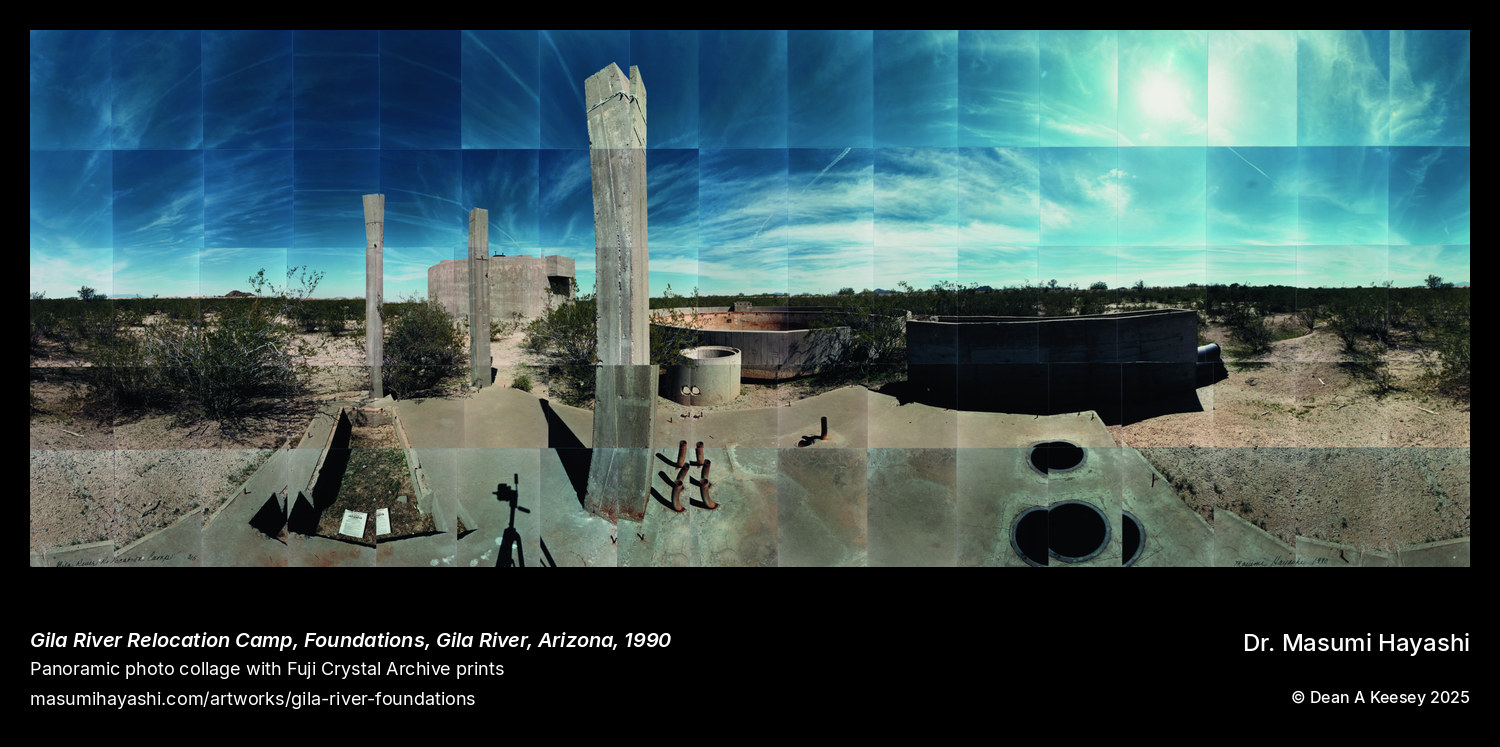
Gila River Relocation Camp, Foundations
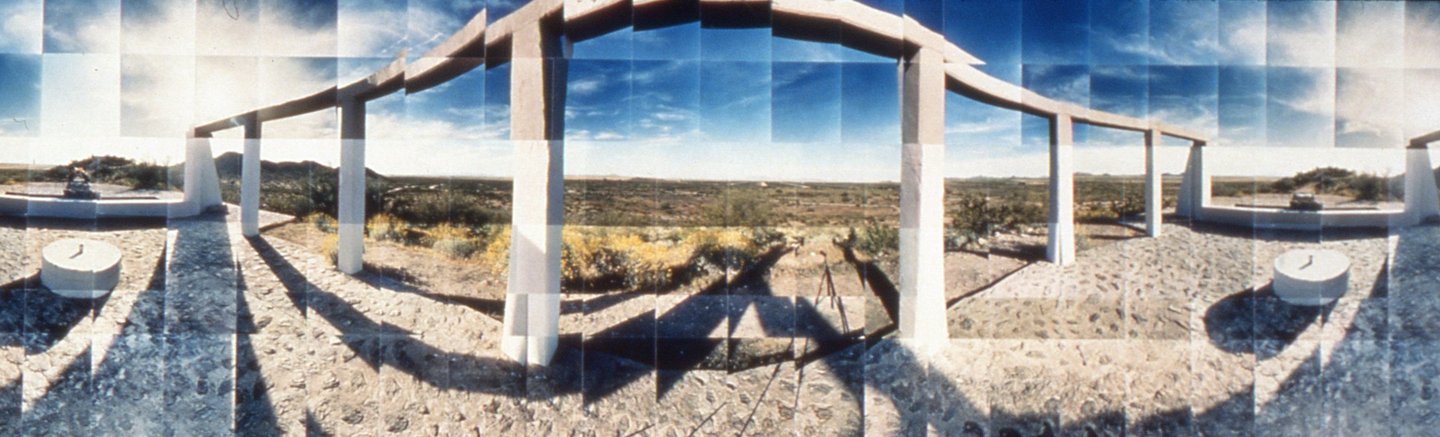
Gila River Relocation Camp, Monument
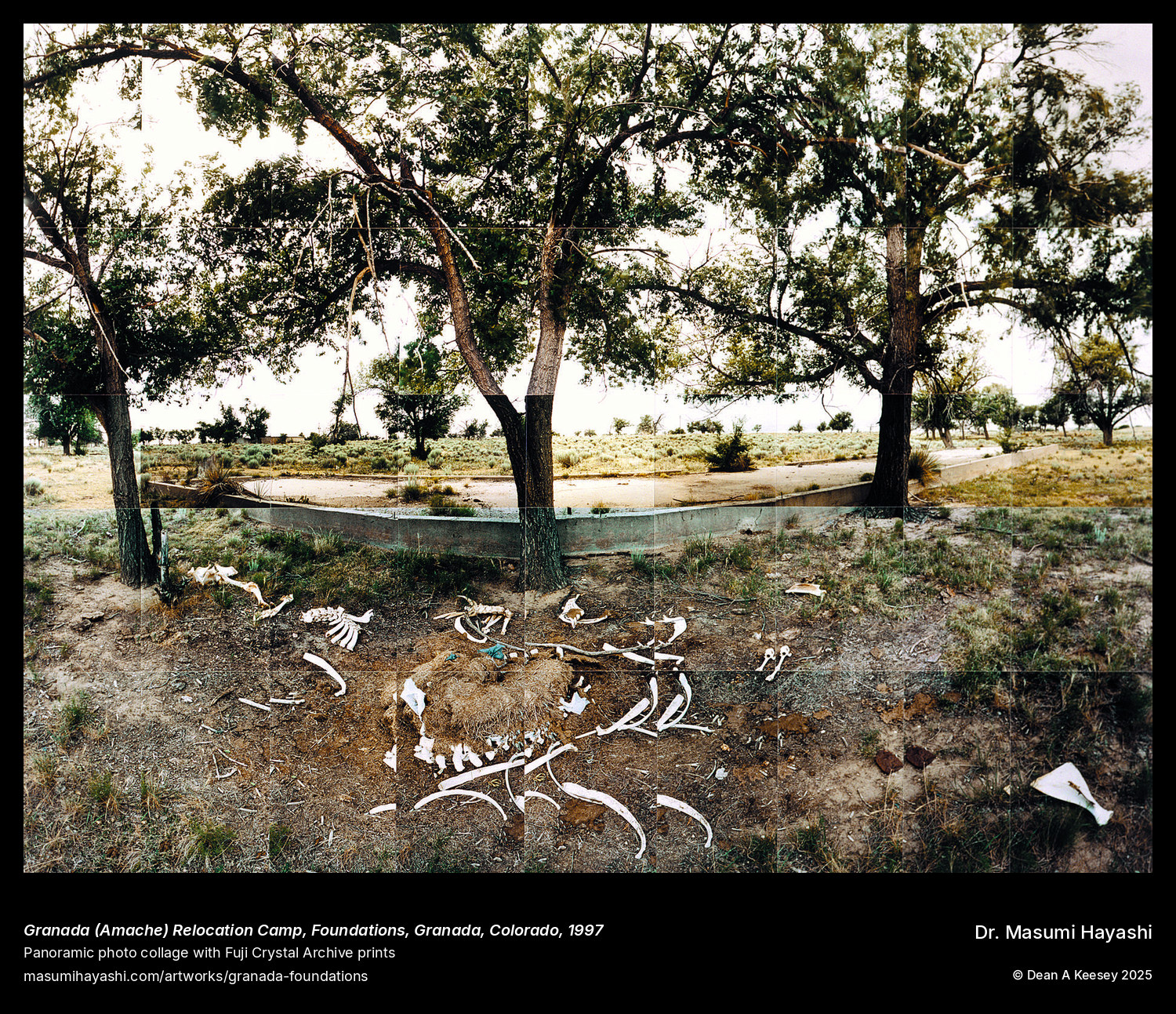
Granada (Amache) Relocation Camp, Foundations
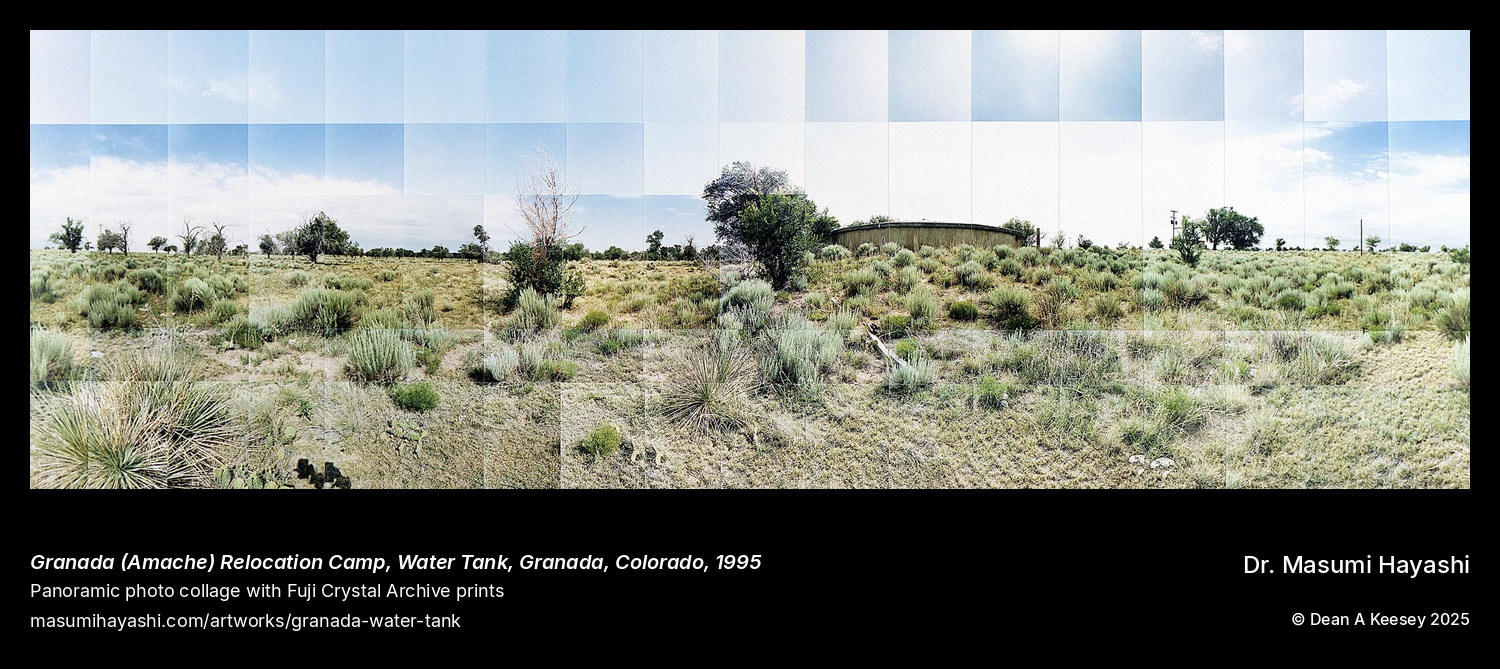
Granada (Amache) Relocation Camp, Water Tank